How much to eat
Many mothers wonder if what they eat will affect their breastmilk. You might also be wondering if eating the right kinds of foods will give your baby the right amount of best quality milk. Here’s a few things to keep in mind when it comes to maternal diet and breastfeeding.
One of the most important things to remember is your body knows exactly what nutrition your baby needs at every stage of development regardless of what you eat.
Calories
Breastfeeding women typically require 300-400 extra calories a day. Choosing nutrient rich food provides energy needed to produce milk, keeping both you and the baby healthy.
Diet
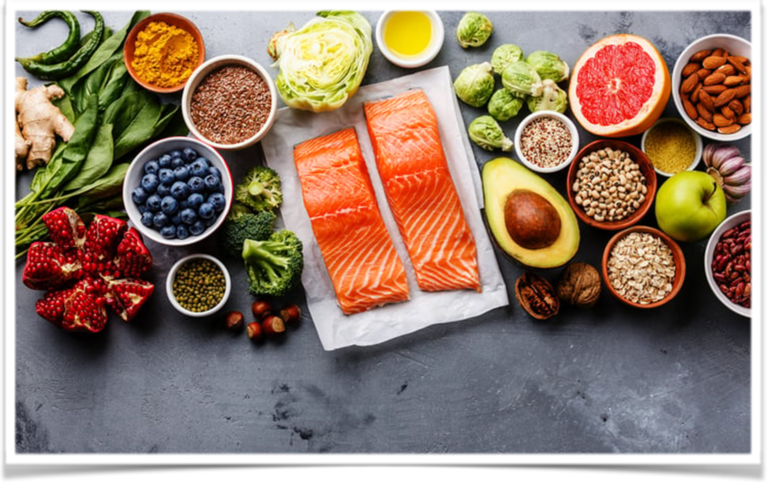
Include a good source of protein 2-3 times per day such as meat, poultry, fish, eggs, diary, beans, nuts and seeds. These food are a great source of Vitamin D
Eat 3 servings of vegetables, including dark green and yellow vegetables per day. They are storehouses for Vitamin A, Vitamin C, Iron, Calcium and antioxidants.
Eat 2 servings of fruit per day. Fruits are rich sources of Vitamins, antioxidants and minerals.
Include 3-4 servings of of whole grains such as whole wheat breads, pasta, cereal and oatmeal. They are a good source of essential nutrients like proteins, vitamins, iron and other minerals
Foods that boost supply
Oatmeal and whole grains: rich in betagulcan(supports prolactin helps milk making hormone) B vitamins and fibre for steady energy
Spinach: fibre,folate,calcium and phytoestrogean
Eggs: protein boost,folic acid,vit B12 and B2,vitamin A
Dates: iron, fiber, calcium, and potassium,increase prolactin(increase milk supply)
Asparagus: flavonoids & saponins(increase milk supply)
Beef: highly absorbable iron,niacin & zinc, protein,vitamins B6 & Vitamins B12
Fennel: These herbs are traditional galactagogues
Chia seeds: high in omega-3 fatty acids and fiber
Flaxseed: high in phytoestrogens that promotes lactation, omega 3 and omega 6
Sweet Potatoes: vitamin A & potassium
Nuts & beans: protein and healthy fats
Chickpeas & Soybeans: protein, vitamins, minerals & phytoestrogens
Bananas: potassium, fibre & B vitamins
Papaya: Vitamin C & Folate
Avocado: healthy fats, fibre, folate, potassium, vitamins B,K,C &E
Apricots: fibre, vitamin A & C, antioxidants, minerals & carotenes
Brewer’s yeast: Rich in nutrients added as an additive
Foods to avoid
Excessive caffine: babies aren’t able to excrete caffeine as quickly as adults. Limit intake to 3 cups a day
Fish high in mercury: Mercury passes into breast milk and can harm an infant’s developing brain and nervous system. Examples :Swordfish, Mackerel, Shark & Marlin
Peppermint, Parsley & Sage : minty herbs known as anti-galactagogues can reduce milk supply
Alcohol: there is no level of alcohol that is considered safe for baby.
Cigarettes: can decrease milk supply and pass nicotine in the milk.
Ultra processed food: low in nutrition
Vegetarian diet
Vegetarian diets can be compatible with breastfeeding. If you avoid meat, make sure you eat other sources of iron and zinc such as dried beans, dried fruit, nuts, seeds and dairy. If you avoid all animal products (vegan diet) you will need to take a B12 supplement to make sure your baby does not develop a B12 deficiency
Allergies
In rare cases a breastfeeding baby may develop a food allergy to foods the mother is eating. The most common symptoms are green, mucus-like and blood-specked stools.
Colic and reflux are not usually caused by food allergies.
Common foods that cause allergies are dairy products, soy products, wheat,eggs,fish,corn,peanuts and nuts.
Removing the suspected food from your diet could alleviate your baby’s symptoms. A visit with a registered dietitian experienced with food allergies may help you plan your diet.
