What Is a Plugged (Clogged) Milk Duct?
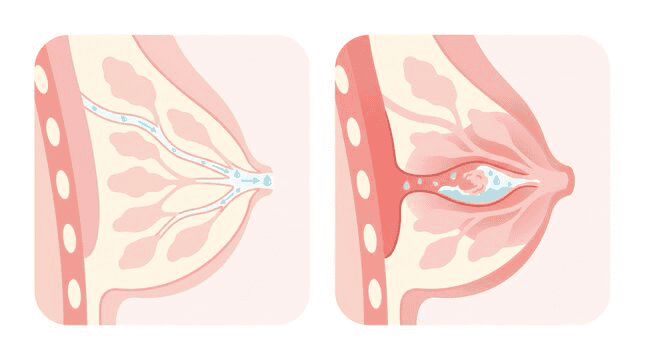
A clogged milk duct occurs when milk flow is restricted in part of the breast, leading to localized swelling, tenderness, and inflammation. Although it’s commonly called a “blocked” or “clogged” duct, it is more accurately described as swelling and narrowing of the milk ducts rather than a solid blockage of milk. It can happen due to missed or delayed feeds, an improper latch, oversupply of milk, or pressure on the breast from tight clothing or bras.
Signs and Symptoms
Common symptoms may include:
- A small, firm, or tender lump in the breast
- Pain or tenderness in a specific area
- A feeling of fullness or pressure
- Soreness or a bruised sensation
- Usually, there is no fever or flu-like feeling with a simple clogged duct
If you develop fever, chills, body aches, significant redness or warmth, increased swelling, or feel generally unwell, this may be a sign of mastitis rather than a simple clogged duct.
Treatment and Self-Care
- Continue breastfeeding and feed your baby according to their hunger cues. You generally do not need to stop breastfeeding.
- Ensure your baby has a proper latch and positioning.
- Avoid tight bras, clothing, or anything that puts pressure on the breast.
- Apply a cold compress between feeds to help reduce swelling and discomfort.
- Gentle warmth immediately before feeding may provide comfort, but avoid prolonged or excessive heat.
- If the breast feels overly full, hand-express only enough milk to relieve the discomfort rather than repeatedly pumping to empty the breast.
- Ibuprofen or paracetamol (acetaminophen) may help relieve pain and are generally compatible with breastfeeding when taken as directed.
- Use sunflower lecithin
- Using a Haakaa pump to clear a clogged milk duct: fill the pump with warm water and 1 to 2 tablespoons of Epsom salt, then suction it onto your breast to soak and draw out the plug
How to Do the Haakaa Trick
- Mix the solution: Add 1 to 2 tablespoons of Epsom salt to your Haakaa pump and fill it almost to the top with warm water.
- Dissolve the salt: Stir gently or put the cap on and shake the pump until the salt melts completely.
- Position the pump: Fold the flange back, squeeze the base of the Haakaa, and center your nipple so it is fully submerged in the warm water as you release the base.
- Lean forward: Lean forward slightly so gravity and the gentle suction help pull out the clog.
- Massage the area: Gently massage the hard or sore spot on your breast while the Haakaa is attached.
- Wait for relief: Leave the pump on for 10 to 15 minutes, or until the suction wears off or you feel relief.
- Rest and drink fluids according to your thirst.
Avoid deep or forceful massage or trying to physically “push out” the blockage, as this can worsen inflammation and cause additional breast tissue injury.
When to Seek Medical Advice
Contact a healthcare professional if:
- You develop a fever or flu-like symptoms
- The breast becomes increasingly red, hot, swollen, or painful
- You feel increasingly unwell
- Your symptoms are not improving within 12–24 hours despite supportive care
A healthcare professional can determine whether your symptoms are due to a clogged duct, breast engorgement, mastitis, or another condition.
What is Mastitis?
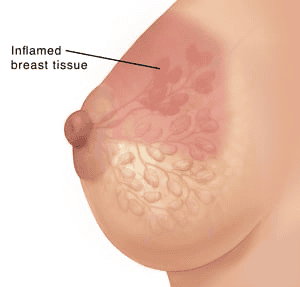
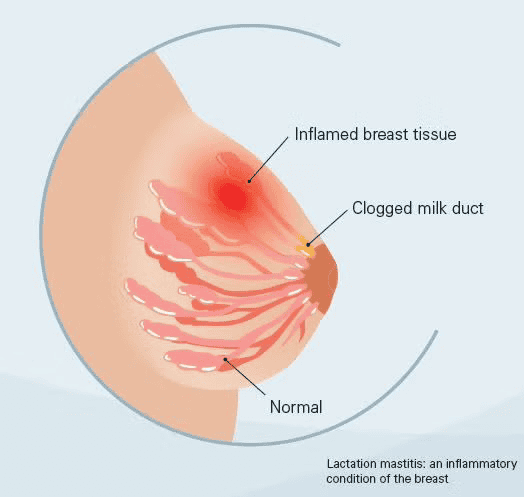
Mastitis is inflammation of the breast tissue, most commonly occurring during breastfeeding. It may develop with or without a bacterial infection.
Causes of Mastitis
Mastitis can have several causes and does not always result from a bacterial infection.
Common Causes During Breastfeeding
- Milk buildup (milk stasis): Milk is produced faster than it is removed, leading to inflammation.
- Poor latch or positioning: The baby may not effectively remove milk from the breast.
- Missed or delayed feeds or sudden changes in the feeding schedule.
- Frequently feeding from one breast more than the other.
- Breast engorgement, when the breasts become excessively full.
- Pressure on the breast, such as from a tight bra or clothing.
- Suddenly reducing or stopping breastfeeding or pumping.
- Injury or trauma to the breast tissue or milk ducts.
Signs and Symptoms
Mastitis often develops suddenly and usually affects one breast. Common symptoms include:
- A painful, swollen, warm or hot area of the breast
- Redness or a wedge-shaped area of inflammation
- A hard lump or firm area in the breast
- Burning, throbbing, or worsening breast pain, particularly during feeding
- Nipple discharge, sometimes with small streaks of blood
- Fever, chills, body aches, fatigue, or flu-like symptoms
Treatment During Breastfeeding
Most mild cases can initially be managed at home:
- Continue breastfeeding as usual; stopping suddenly may make symptoms worse.
- Feed your baby according to their normal feeding pattern rather than repeatedly trying to completely empty the breast.
- If you express or pump, express only enough to relieve discomfort or provide your baby’s usual feed.
- Apply a cold compress for about 10 minutes at a time to help reduce pain and swelling.
- Get plenty of rest and stay well hydrated.
- Paracetamol or ibuprofen may help relieve pain and fever and are generally compatible with breastfeeding.
- Avoid tight bras or clothing and deep or vigorous breast massage, as this can worsen inflammation.
If symptoms do not improve within 12–24 hours or are getting worse, consult a doctor. Antibiotics may be needed if a bacterial infection is suspected.
When to Seek Medical Attention
Seek medical care promptly if you have a very high fever, feel severely unwell, your symptoms are rapidly worsening, or you develop a persistent or increasingly painful lump or swelling.
In some cases, mastitis can develop into a breast abscess, which may require drainage.
Can an Infection Cause Mastitis?
Yes. Breast inflammation can sometimes progress to a bacterial infection, particularly when symptoms persist or become worse. However, having mastitis does not necessarily mean that a bacterial infection is present.
Mastitis When Not Breastfeeding
Although less common, mastitis can also occur in people who are not breastfeeding. It may be related to infection, irritation, or damage around the nipple.
Possible risk factors include:
- Cracked or damaged nipples
- Nipple piercing
- Smoking
- Breast implants
- Certain skin conditions
- A weakened immune system
If symptoms are severe, persistent, or associated with a breast lump, medical evaluation is recommended.
What is Breast Engorgement?
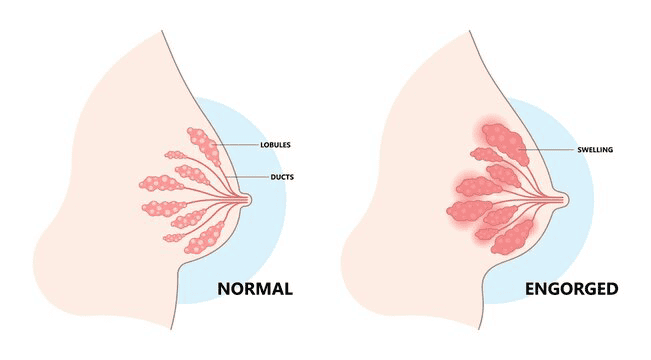
Breast engorgement is a condition in which the breasts become excessively full, swollen, firm, tight, and painful because of increased milk volume and associated swelling of the breast tissue. It is especially common during the first few days after childbirth, when milk production increases rapidly.
Signs and Symptoms
Common signs and symptoms include:
- Breasts feel very full, heavy, hard, or firm
- Swelling of one or both breasts
- Breast tenderness or pain
- Skin over the breast may appear tight, shiny, or stretched
- Breasts may feel warm
- Nipples may become flattened or difficult for the baby to latch onto because of swelling around the nipple
- Milk may be difficult to express or may flow less easily despite the breasts feeling full
- A feeling of pressure or throbbing in the breasts
- Mild redness may sometimes occur
- Temporary discomfort during breastfeeding
Engorgement usually affects both breasts, although one breast can be more affected than the other.
Causes of Breast Engorgement
Breast engorgement can occur when more milk is being produced than is being removed from the breasts. Common causes include:
- Milk coming in after childbirth — Around 2–5 days after delivery, milk production increases significantly. This is one of the most common causes of engorgement.
- Infrequent breastfeeding — Long gaps between feeds allow milk to accumulate in the breasts.
- Missed breastfeeding sessions — Missing feeds because of sleep, illness, travel, or other reasons can lead to excessive breast fullness.
- Sudden changes in breastfeeding or pumping — Stopping or significantly reducing breastfeeding or pumping can cause milk to build up.
- Poor or ineffective latch — If the baby does not latch properly, milk may not be removed effectively.
- Restricted feeding schedule — Limiting the frequency or duration of breastfeeding can contribute to milk accumulation.
- Excessive pumping — Pumping more milk than the baby needs can stimulate the breasts to produce more milk, potentially contributing to recurrent engorgement.
- Breastfeeding difficulties — Premature babies, sleepy babies, or babies who have difficulty sucking may not remove enough milk.
Treatment for Engorgement
The primary objective is to maintain consistent milk drainage while actively minimizing localized tissue inflammation.
- Empty breasts frequently: Feed on demand at least 8 to 12 times every 24 hours without skipping sessions.
- Apply targeted cold therapy: Use cloth-wrapped ice packs for 15 to 20 minutes post-feeding to constrict blood vessels.
- Perform Reverse Pressure Softening: Firmly press the areola inward toward the ribs for 60 seconds to ease tight latches.
- Pace expression carefully: Only pump to comfort to avoid overstimulating the breasts and creating an oversupply.
- Utilize safe analgesics: Take over-the-counter ibuprofen to reduce deep tissue swelling and systemic pain.
- Protect fragile tissue: Avoid rigorous, heavy massaging and extended heat exposure to prevent further micro-trauma.
Breast Engorgement vs. Mastitis
Engorgement itself is generally related to milk accumulation and swelling. However, prolonged milk stasis and inflammation can sometimes contribute to mastitis.
Seek medical advice if you develop fever, chills, flu-like symptoms, rapidly worsening breast redness or swelling, or severe/worsening pain, particularly if symptoms don’t improve with continued milk removal and supportive care.
In simple terms
Breast engorgement = breasts becoming excessively full and swollen with milk, making them hard, tight, tender, and sometimes painful. It is particularly common when milk first comes in after delivery or when milk isn’t being removed regularly.
What is a Milk Bleb?
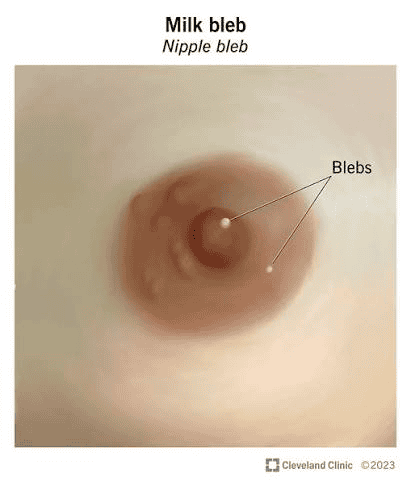

A milk bleb, also known as a nipple bleb or milk blister, is a small area of inflammation that develops over one of the openings on the nipple during breastfeeding. It typically appears as a tiny white, yellow, or translucent spot or blister. Although it may look small and harmless, it can be quite painful and may interfere with the normal flow of milk.
Importantly, a milk bleb is generally understood to be an inflammatory condition, rather than simply a plug of dried or trapped milk that needs to be opened or removed.
Signs and Symptoms
Common signs and symptoms include:
- A small white or yellow dot, spot, or blister over a nipple opening.
- Sharp, burning, or stinging pain in the nipple, especially during or shortly after breastfeeding.
- Pain or discomfort when the baby latches onto the affected nipple.
- A sensation that milk is not flowing normally from that area.
- A firm or tender area deeper in the breast if milk flow is affected.
- Recurrent areas of breast fullness or blockage.
- In some cases, a bleb may cause little or no pain and may resolve on its own.
Milk blebs can also occur alongside other breastfeeding issues, including oversupply or hyperlactation.
What Causes a Milk Bleb?
The exact cause of a milk bleb is not always known. It is thought to involve inflammation and narrowing or obstruction around a nipple opening.
Factors that may contribute include:
- Inflammation of the nipple or areola.
- Repeated nipple trauma or irritation.
- A shallow or ineffective latch.
- Excessive milk production or oversupply.
- Recurrent breast inflammation or areas of blockage.
- Excessive pumping.
- An incorrectly sized pump flange or excessive pump suction.
- Pressure or friction against the nipple.
- A milk bleb may be part of the broader inflammatory mastitis spectrum, rather than simply being an isolated “milk plug.”
Treatment
1. Continue breastfeeding normally
In most cases, you do not need to stop breastfeeding. Continue feeding your baby according to their usual feeding pattern.
Try to avoid repeatedly pumping or attempting to completely “empty” the breast, as excessive milk removal can increase inflammation and stimulate greater milk production.
2. Reduce inflammation and discomfort
A cold compress after breastfeeding can help reduce pain and inflammation.
An anti-inflammatory medication such as ibuprofen may also help if it is safe for you to take. If you’re unsure whether you can take it while breastfeeding, check with your healthcare professional.
3. Do not pop, squeeze, or pierce the bleb
This is particularly important.
Avoid using a needle, pin, fingernail, or other object to open or remove the bleb. Attempting to “unroof” it yourself can damage the nipple tissue and increase the risk of infection.
4. Use warmth cautiously
A short period of gentle warmth before breastfeeding may provide comfort for some people. However, prolonged or intense heat is generally best avoided because it can worsen inflammation.
Some blebs resolve on their own. Persistent blebs may sometimes require treatment such as a topical corticosteroid or professional treatment by an appropriately trained healthcare provider.
5. Consider medical treatment for persistent blebs
If the bleb is persistent, painful, or repeatedly returns, a doctor or breastfeeding-medicine specialist may recommend a topical corticosteroid.
Because the medication is being applied to the nipple and the baby may come into contact with the area during feeding, the appropriate medication, strength, and instructions should be determined by your healthcare professional.
6. Check the baby’s latch and your pumping technique
If milk blebs keep coming back, consider having a lactation consultant or breastfeeding-medicine specialist assess a feeding session.
They can check for problems with:
- Baby’s latch and positioning.
- Nipple trauma.
- Pump flange size.
- Pump suction and frequency.
- Oversupply or excessive milk removal.
- Addressing the underlying problem can help prevent recurrent blebs.
When Should You See a Doctor?
Seek medical advice if:
- The bleb does not resolve or keeps coming back.
- You develop a significant or worsening breast lump or blocked area.
- Breast pain becomes severe or progressively worse.
- You develop breast redness, warmth, swelling, fever, chills, or flu-like symptoms.
- There is pus or unusual nipple discharge.
- The nipple lesion does not heal or does not look like a typical milk bleb.
- A breast lump persists despite appropriate treatment.
- A nipple lesion that persists should not automatically be assumed to be a milk bleb, as other nipple and breast conditions can sometimes appear similar.
Source: Academy of Breastfeeding Medicine (ABM) patient and clinical resources.
If you’re currently dealing with a milk bleb, the appearance of the spot (white, yellow, or clear), its location, the level of pain, and whether you have a breast lump or fever can help differentiate a milk bleb from a plugged duct, mastitis, thrush, or nipple trauma.
